

Quick answer
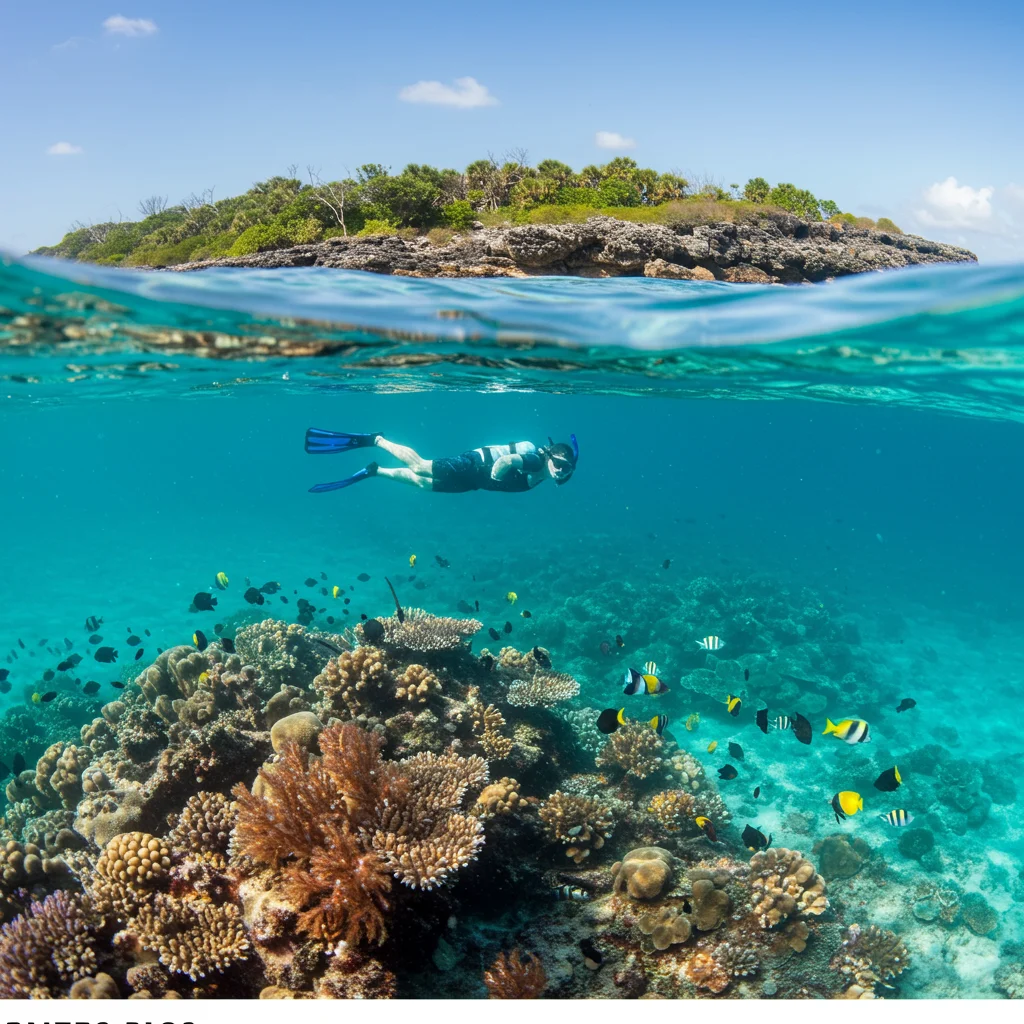
The best time for snorkeling in puerto rico runs from April through November, when Caribbean waters average 82–86°F and trade winds remain light, delivering visibility of 60–100 feet. Morning sessions between 08:00 and 11:00 capture the calmest conditions before afternoon breezes arrive. December through March brings stronger swells and reduced clarity along northern shores, though southern and western sites stay protected.
Puerto Rico sits in the path of Atlantic trade winds that dictate underwater conditions more than any other factor. These easterly breezes intensify from December through March, churning the northern and eastern coasts into choppy swells that drop visibility below 40 feet and make shallow reef navigation difficult. Southern shores near La Parguera and Guánica, sheltered by the island's central mountains, remain calm even during peak wind season. Summer and early fall deliver the island's best snorkeling windows. Water temperature climbs into the mid-80s, thermoclines disappear, and plankton blooms subside after spring rains end. Culebra and Vieques see glass-flat mornings with visibility pushing past 80 feet, revealing elkhorn coral gardens and spotted eagle rays that cruise sandy channels. Afternoon trade winds still develop most days, but they arrive later and with less force than winter patterns. Rainfall plays a secondary role. May and June bring brief showers that cloud nearshore waters for a day or two, while September and October mark the heart of hurricane season. Tropical systems remain rare—the island averages one direct strike per decade—but passing storms hundreds of miles away can generate swells that muddy visibility for three to five days. Monitoring Caribbean weather patterns a week before your visit lets you adjust site selection if a system threatens the region. Timing within the day matters as much as choosing the right month. Morning arrivals at sites like Flamenco Beach or Tres Palmas capture the stillest water and highest clarity before midday winds ripple the surface. Afternoon snorkeling remains viable at protected bays, but wave action increases and suspended sediment reduces the range you can see. Planning your underwater exploration for the first hours after sunrise aligns with both tidal calm and the feeding activity of reef fish that emerge at dawn.
“Morning sessions between eight and eleven capture the stillest water and highest clarity before midday winds ripple the surface.”
Determining the Best Time for Snorkeling in Puerto Rico
The best time for snorkeling in Puerto Rico is during the morning, specifically the best arrival window of 08:00–11:00, when waters are calmest and visibility is highest before the arrival of trade winds.
Mid-Morning
Low densityCalm seas, 82°F–85°F
This period offers optimal underwater visibility and gentle surface conditions for snorkelers.
Dry Season (Dec–April)
Higher tourist volumeLow rainfall, 75°F–80°F
Waters are generally clearer, though popular sites experience more activity.
Wet Season (May–Nov)
Moderate crowdsHigher humidity, 80°F–85°F
Warm water temperatures are consistent, though monitoring daily weather for tropical showers is necessary.
Weekdays
Minimal visitors—
Choosing a weekday avoids the weekend surge seen at popular coastal locations.
Verdict: For the highest quality experience, plan your visit between April and May or October and November, aiming to arrive between 08:00–11:00 on a weekday.
Daily Operational Hours and the Best Time for Snorkeling in Puerto Rico
Public beaches in Puerto Rico remain accessible daily. For the best snorkeling conditions, plan your arrival between 08:00–11:00 to utilize the calmest waters before midday trade winds.
| Monday | 00:00–23:59 | |
|---|---|---|
| Tuesday | 00:00–23:59 | |
| Wednesday | 00:00–23:59 | |
| Thursday | 00:00–23:59 | |
| Friday | 00:00–23:59 | |
| Saturday | 00:00–23:59 | |
| Sunday | 00:00–23:59 |
Entrance Fees for the Best Time for Snorkeling in Puerto Rico
Access to public beaches for snorkeling in Puerto Rico is free of charge. Costs only apply when selecting private boat charters or guided equipment rental services.
A typical visitor pays 0 USD for beach entry, with total costs depending solely on whether they book independent excursions.
Essential Preparation for the Best Time for Snorkeling in Puerto Rico
Proper gear and awareness of marine conditions ensure a safe and productive snorkeling experience in Puerto Rico's diverse coastal waters.
-
Check reef-safe sunscreen compliance — Chemical sunscreens are banned to protect coral ecosystems.
-
Pack or rent snorkel mask and fins — Proper equipment improves visibility and reduces effort in currents.
-
Verify weather and surf forecasts — Sudden swells and afternoon winds can reduce water clarity and safety.
-
Bring a rash guard or wetsuit — Protection from sun exposure and occasional jellyfish encounters.
-
Confirm site-specific access or permits — Some marine reserves and beaches require advance registration.
-
Arrive during the 08:00–11:00 window — Morning conditions offer the calmest seas and best underwater visibility.
Nearby Locations for the Best Time for Snorkeling in Puerto Rico
Exploring Puerto Rico’s coastline allows for diverse aquatic experiences that pair well with your snorkeling schedule. These nearby locations offer varied marine environments accessible from major transit hubs.
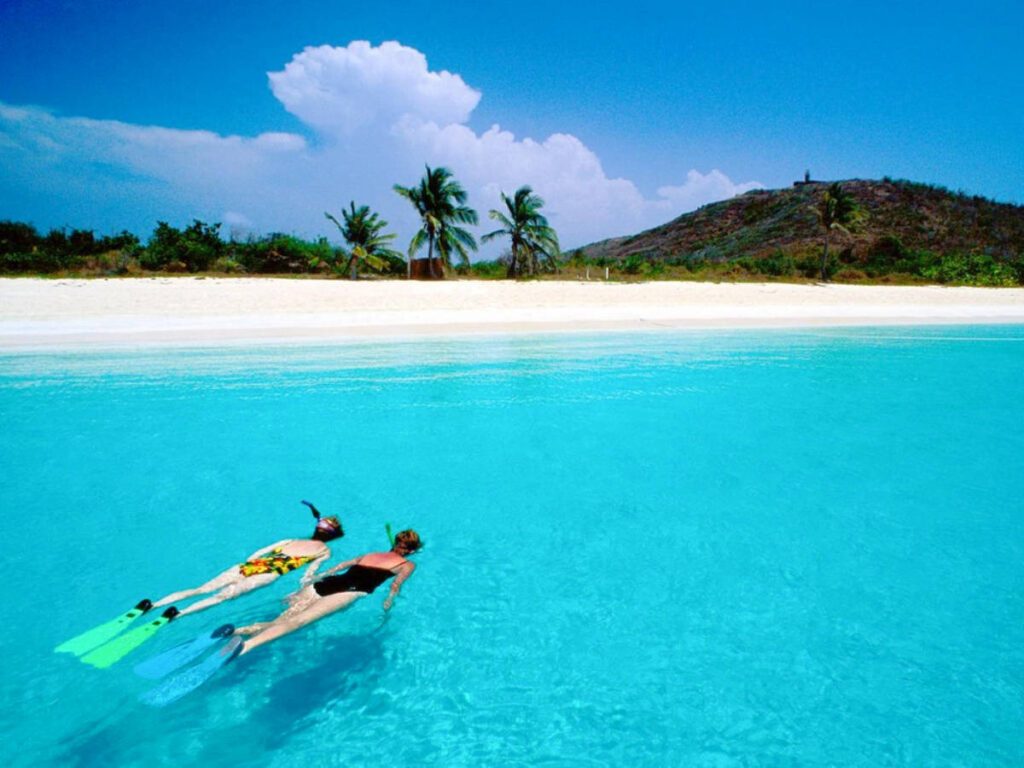
Culebra Island
Known for Tamarindo Beach and shallow reefs, this island provides clear water conditions that complement morning snorkeling trips.
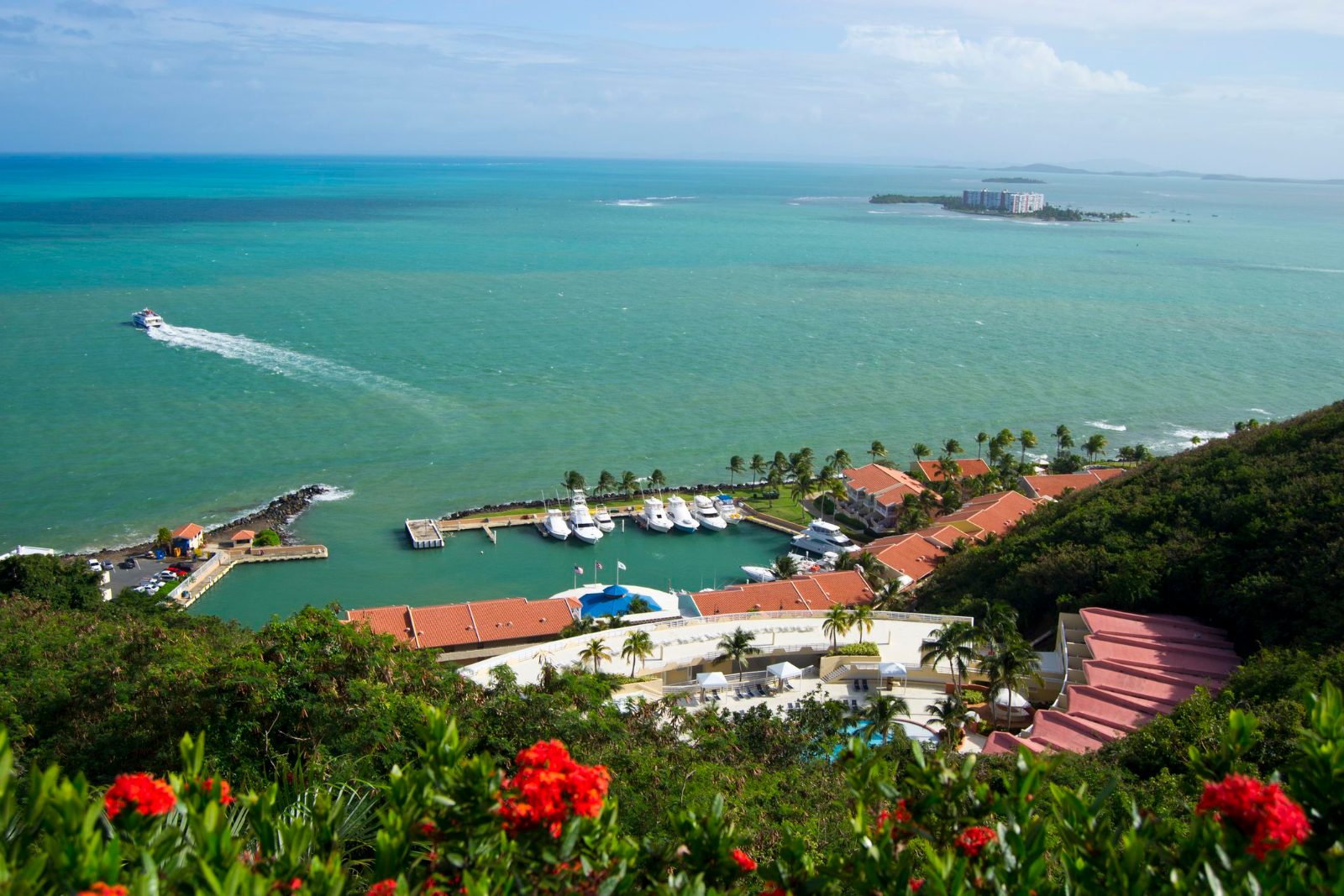
Fajardo
Serving as a primary gateway to the Cordillera Cays, this coastal town is a hub for boat charters heading to protected reefs.
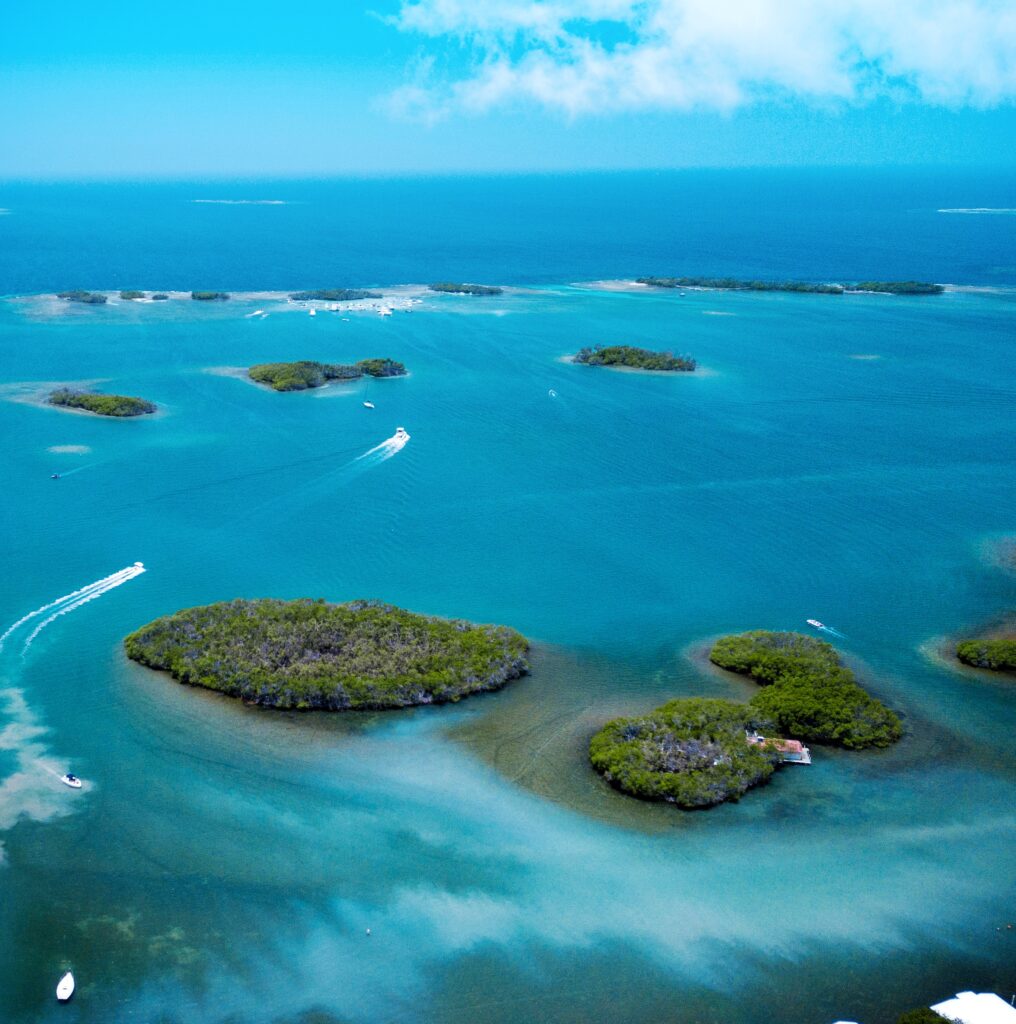
La Parguera
Located in the southwest, this area features mangrove cays and calm channels that are well-suited for extended exploration outside of primary snorkeling zones.
Check availability
Frequently Asked Questions About Snorkeling in Puerto Rico
Everything you need to know about best time for snorkeling in puerto rico