

Quick answer
The best turtle snorkeling in Puerto Rico is at Escambrón Beach, Parque Nacional del Tercer Milenio in San Juan, open daily 8am to 5pm with free entry. Green sea turtles feed on the seagrass beds between the beach and outer reef throughout the year. Arrive between 8am and 11am for the calmest water and highest visibility before afternoon trade winds stir the surface.
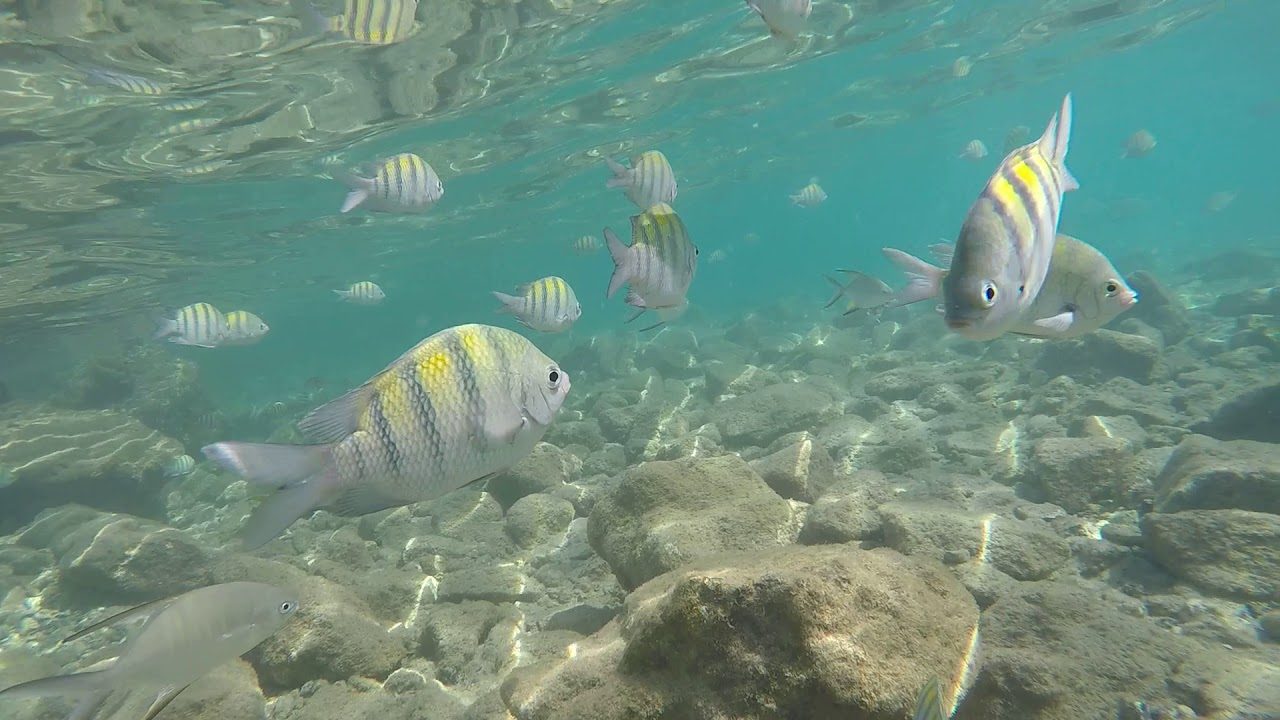
Green sea turtles return to Escambrón Beach every morning to graze the shallow seagrass meadows that carpet the protected cove. The population is resident, not seasonal, which means sightings occur year-round rather than during narrow migration windows. The reef structure creates three distinct snorkeling zones. The inner zone nearest shore holds the densest seagrass and the highest concentration of feeding turtles. The middle zone transitions to coral rubble where juvenile parrotfish and sergeant majors shelter. The outer reef drops to fifteen feet and marks the edge of safe swimming range. Most turtle encounters happen in six to ten feet of water, close enough to observe without freediving. Water clarity follows a predictable daily pattern. Morning light penetrates cleanest before 11am, when easterly trade winds typically pick up and chop the surface. Afternoon swells reduce underwater visibility and make it harder to spot turtles against the sandy bottom. Weekday mornings see fewer snorkelers than weekend afternoons, which matters in a cove this compact. The beach sits inside a protected national park along Avenida Luis Muñoz Rivera, accessible by public bus or short taxi ride from Old San Juan. Escambrón anchors Puerto Rico's sea turtle recovery efforts. Federal protection since the 1970s allowed the green turtle population to rebound from near-collapse, and this beach became one of the first sites where the animals resumed natural feeding behavior near humans. The turtles tolerate swimmers but remain wild—approach slowly, stay at least six feet away, and never block their path to the surface. A single panicked turtle will clear the cove and disrupt feeding patterns for hours.
“The turtles tolerate swimmers but remain wild—approach slowly, stay at least six feet away, and never block their path to the surface.”
The Best Time for Turtle Snorkeling in Puerto Rico
To maximize your chances of viewing sea turtles, plan your visit for the arrival window of 08:00–11:00. This period offers the clearest water and calmest conditions before the afternoon trade winds increase surface turbulence.
Weekday mornings
Low crowd density—
Waters are calmest, providing optimal visibility for spotting turtles near the reef.
December to April
Moderate tourist volumeDry season, 75–80°F
Lower rainfall leads to better underwater visibility and more consistent snorkeling conditions.
May to November
Higher visitor numbersWarmer, 80–85°F
Occasional afternoon rain showers can affect water clarity, making early arrival essential.
Verdict: The best time for turtle snorkeling is weekday mornings between 08:00–11:00 during the months of April or October.
Opening Hours for Best Turtle Snorkeling in Puerto Rico
The snorkeling area at Escambrón Marine Park is open daily to the public throughout the week.
| Monday | 08:00–17:00 | |
|---|---|---|
| Tuesday | 08:00–17:00 | |
| Wednesday | 08:00–17:00 | |
| Thursday | 08:00–17:00 | |
| Friday | 08:00–17:00 | |
| Saturday | 08:00–17:00 | |
| Sunday | 08:00–17:00 |
Entrance Fees for the Best Turtle Snorkeling in Puerto Rico
Access to the snorkeling area at Escambron Marine Park is open to the public at no cost. There are no entrance fees required to access the beach or water.
A typical adult pays 0 USD for entry, though visitors should budget for paid parking fees near the site.
How to Reach the Best Turtle Snorkeling in Puerto Rico
The snorkeling area is located within Parque Nacional del Tercer Milenio at Av. Luis Muñoz Rivera, San Juan. Access is most convenient by car or taxi, with the site situated near the entrance to Old San Juan.
PR-1 or PR-26 to Av. Luis Muñoz Rivera
Direct to Parque Nacional del Tercer Milenio
T5 or T9 to stop near Av. Luis Muñoz Rivera
Tips for the Best Turtle Snorkeling in Puerto Rico
Follow these practical guidelines to observe sea turtles respectfully while protecting the marine environment during your snorkel session.
Choose mineral-based sunscreen
Ensure your sunscreen uses non-nano zinc oxide or titanium dioxide to prevent chemical damage to coral reefs and turtle habitats. Avoid products containing oxybenzone or octinoxate, as these are toxic to marine life.
Maintain a respectful distance
Do not attempt to touch, chase, or feed sea turtles, as this disrupts their natural foraging behavior and increases stress. Observe them quietly from a distance of at least six feet to allow them to continue feeding undisturbed.
Scan the grass beds
Turtles often frequent shallow seagrass beds to feed on turtle grass and manatee grass. Look for stationary shapes against the sandy bottom rather than scanning the open water column.
Watch for breathing
Sea turtles must surface to breathe, often doing so quickly before returning to the seafloor. If you see a turtle swimming toward the surface, stay clear of its path to ensure it has unrestricted access to air.
Identify turtle species
Most snorkelers in this area encounter green sea turtles or hawksbill turtles. Green turtles are primarily herbivores often found grazing in seagrass, while hawksbills are frequently spotted near coral structures hunting for sponges.
Your Checklist for the Best Turtle Snorkeling in Puerto Rico
Pack the right gear and a few essentials to make the most of your turtle encounter.
-
Bring your own snorkel, mask, and fins — Rentals aren't available on-site, so personal gear ensures a proper fit and comfort.
-
Pack reef-safe sunscreen — Protect both your skin and the marine ecosystem where turtles feed.
-
Wear a rash guard or wetsuit — Provides sun protection and warmth in the water without relying on heavy sunscreen.
-
Carry an underwater camera or GoPro — Capture close encounters with sea turtles while keeping your hands free.
-
Store valuables in a waterproof pouch — Keep phone, keys, and wallet dry while you're in the water.
-
Bring cash for parking — Paid parking nearby requires bills or coins, not cards.
Check availability
Frequently asked questions about best turtle snorkeling in puerto rico
Everything you need to know about best turtle snorkeling in puerto rico