

Quick answer
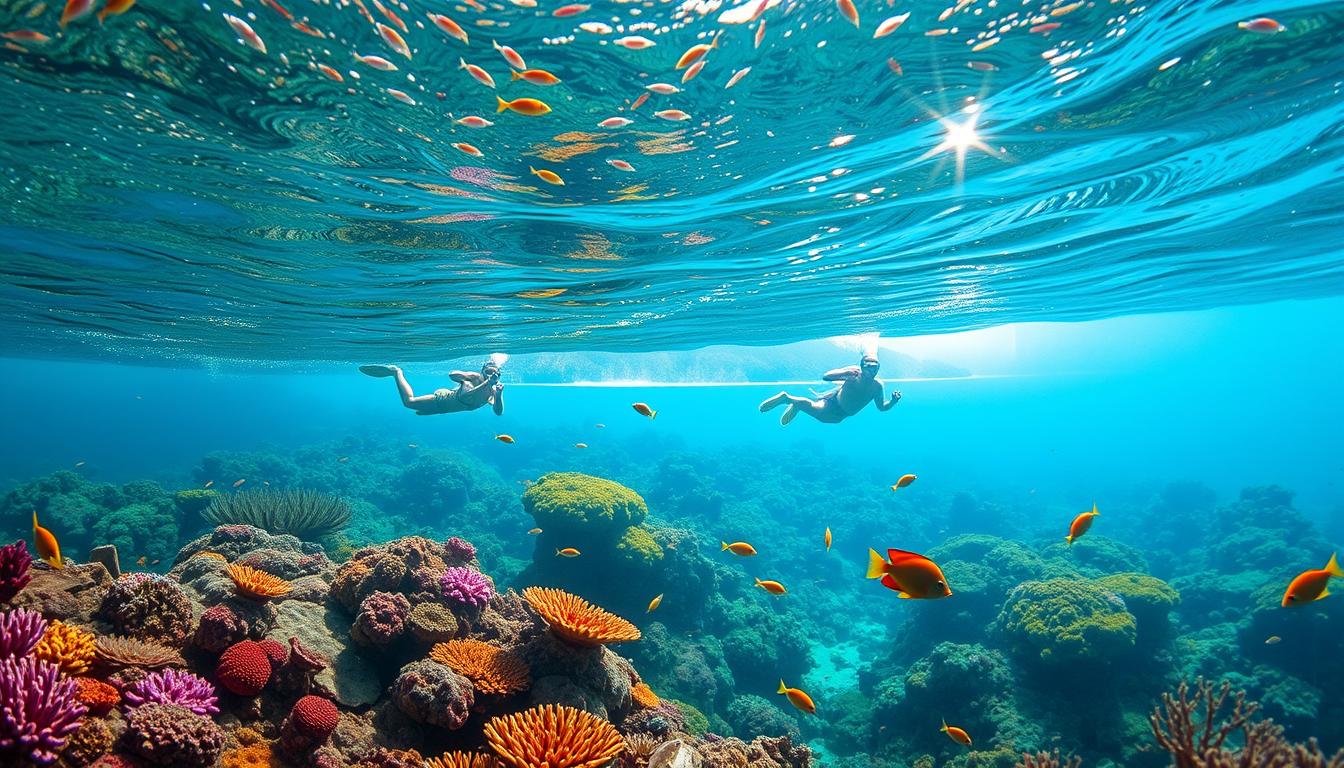
The best places to snorkel in Puerto Rico cluster in three zones: Escambrón Beach in San Juan for accessible reef walls and sea turtle encounters; Flamenco and Tamarindo beaches on Culebra for gin-clear water over elkhorn coral; and the bioluminescent mangrove channels and offshore cays of La Parguera on the southwest coast. Each location offers free shore access, though parking fees apply at managed sites like Escambrón, which charges visitors for lot use.
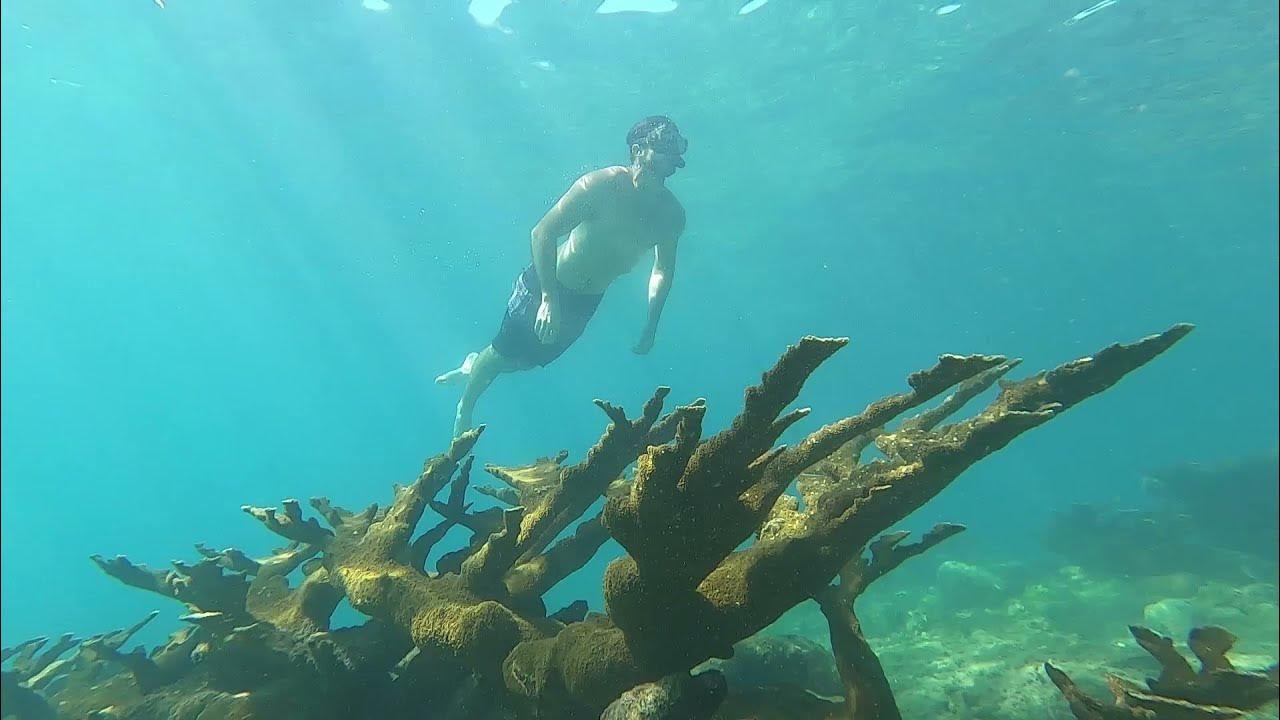
Puerto Rico sits atop the boundary between the Caribbean and Atlantic tectonic plates, a geologic position that carved the island's fringing reefs, drop-offs, and submerged limestone ledges into distinct snorkeling ecosystems. The northeast coast faces the Atlantic's chop, while the south and west coasts open onto the Caribbean's calmer fetch—a division that dictates water clarity and surge conditions at every site. Escambrón Beach lies inside a natural cove in San Juan, protected by a rock jetty that deflects wave energy and holds sediment offshore. The site's twin reef systems start in three feet of water and descend to 15-foot ledges where hawksbill turtles graze on sponges. Entry is free; the parking fee is the only cost. Water clarity peaks between 08:00 and 11:00 before afternoon winds stir the surface. Culebra's offshore position 17 miles east of the main island places it outside the influence of river runoff, which explains the 80- to 100-foot visibility at Flamenco and Tamarindo beaches. Both sites require a ferry or small plane from Ceiba, then a taxi or rental vehicle to reach the shore. The coral gardens here grow on fossil reef platforms dating to the last interglacial period, and the shallow depth—most formations sit between five and 12 feet—makes them accessible to beginners. Parrotfish, blue tangs, and spotted eagle rays move through the elkhorn stands during morning hours. La Parguera anchors the southwest coast's snorkeling corridor, where 30 named cays and a barrier reef system create dozens of micro-sites. The mangrove channels hold juvenile fish and bioluminescent dinoflagellates; the outer reefs shelter brain coral heads and gorgonians. Water temperature here stays above 80°F year-round, and the Caribbean's prevailing easterlies blow offshore, flattening the surface. Most visitors launch from the town dock or book passage on local skiffs that shuttle between the cays. The best places to snorkel in Puerto Rico reward early starts—sunlight penetrates deepest in the first three hours after sunrise, and marine life activity remains highest before midday heat drives fish into deeper refuge. Mask, fins, and a reef-safe sunscreen complete the required gear; the island's coastal clarity makes snorkels simple to navigate without a guide, though local operators offer briefings on current and entry points at sites with stronger tidal exchange.
“Puerto Rico's position atop tectonic boundaries carved distinct reef ecosystems that determine water clarity and marine density at every coastal site.”
The Best Time and Weather for Snorkeling in Puerto Rico
The best arrival window is 08:00–11:00, as the water is typically calmer and clearer with fewer crowds in the morning. Planning your snorkel sessions during these early hours ensures optimal visibility before afternoon winds pick up.
Weekday mornings
Minimal—
Quiet conditions allow for the most peaceful experience at popular snorkel spots.
Mid-April to June
Low to moderateWarm, 82°F–86°F (28°C–30°C)
This period avoids the peak winter tourist season and the height of hurricane activity.
September to November
LowWarm, 83°F–87°F (28°C–31°C)
Water temperatures remain high, though travelers should monitor local weather reports for tropical storms.
Verdict: For the best experience, aim for weekday mornings between 08:00–11:00 during the months of April or October.
Entrance Fees and Costs for Best Places to Snorkel in Puerto Rico
Access to Escambron Marine Park is free for all visitors. While there is no charge for park entry, visitors should be aware that parking fees apply.
Geography and Features at the Best Places to Snorkel in Puerto Rico
Puerto Rico's coastline features diverse underwater topography ranging from protected reef lagoons to seagrass beds. Understanding these coastal zones helps in locating environments where marine life congregates.
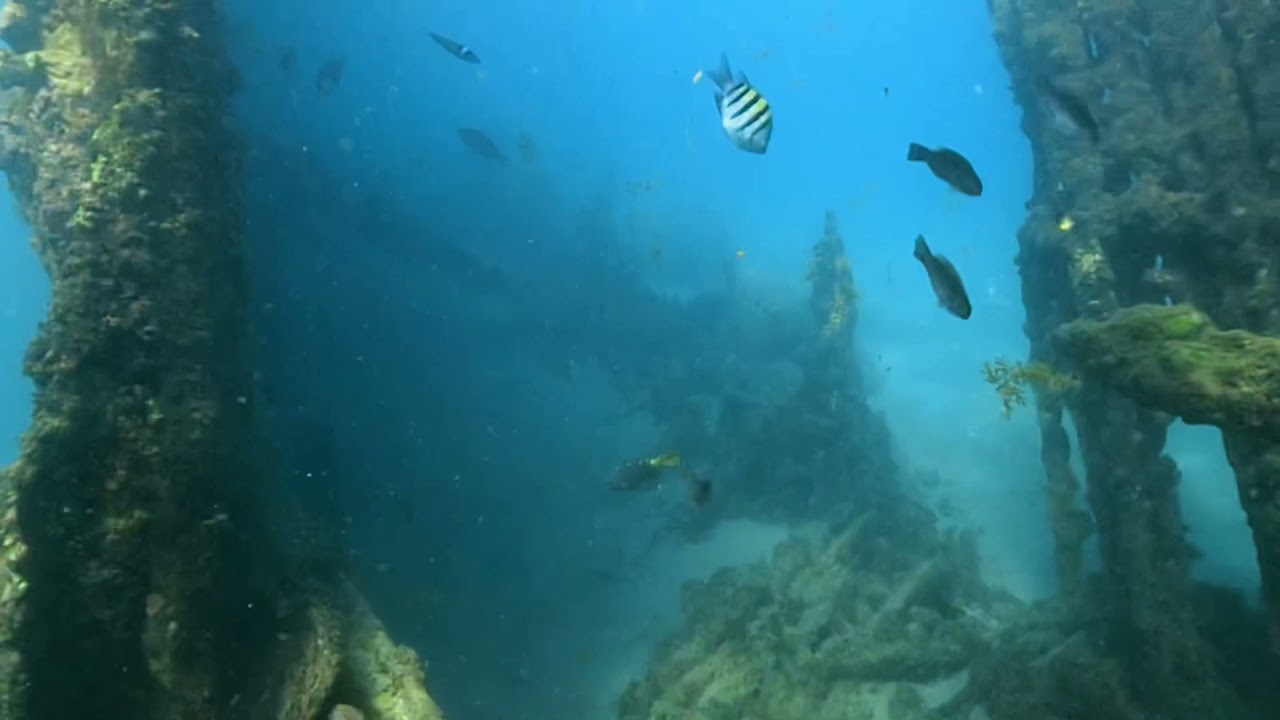
Escambrón Marine Park
This protected area features rock barriers that create calm, shallow zones ideal for observing reef fish and sea turtles. The inner lagoon remains sheltered from open ocean currents.
Swim near the western rock breakwater during low tide.
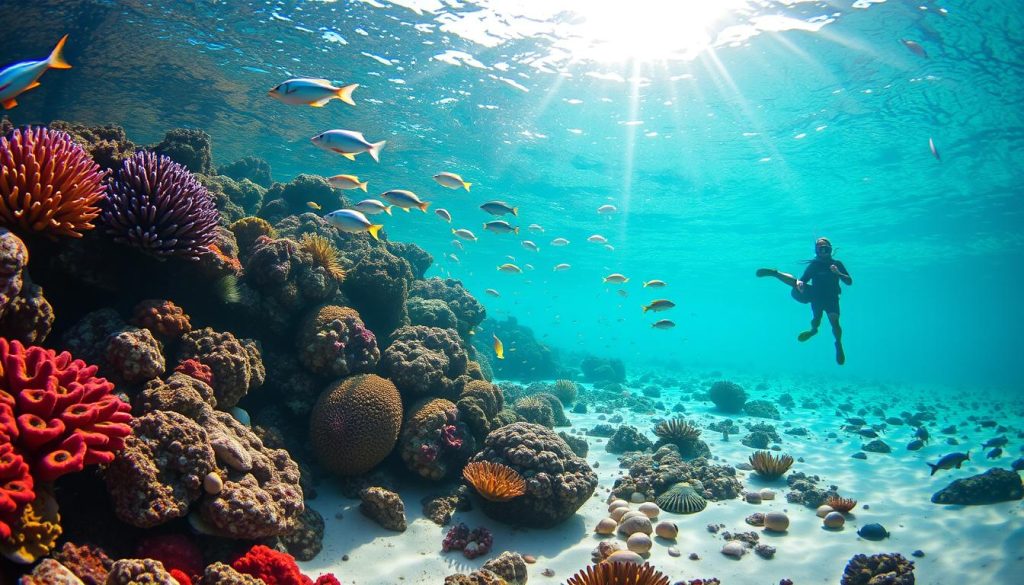
Culebra’s Tamarindo Beach
Part of a national wildlife refuge, this site consists of extensive seagrass beds that serve as a primary feeding ground for green sea turtles. The water is generally clear, allowing for visibility across the sandy bottom.
Look for turtles feeding in the seagrass near the shoreline.
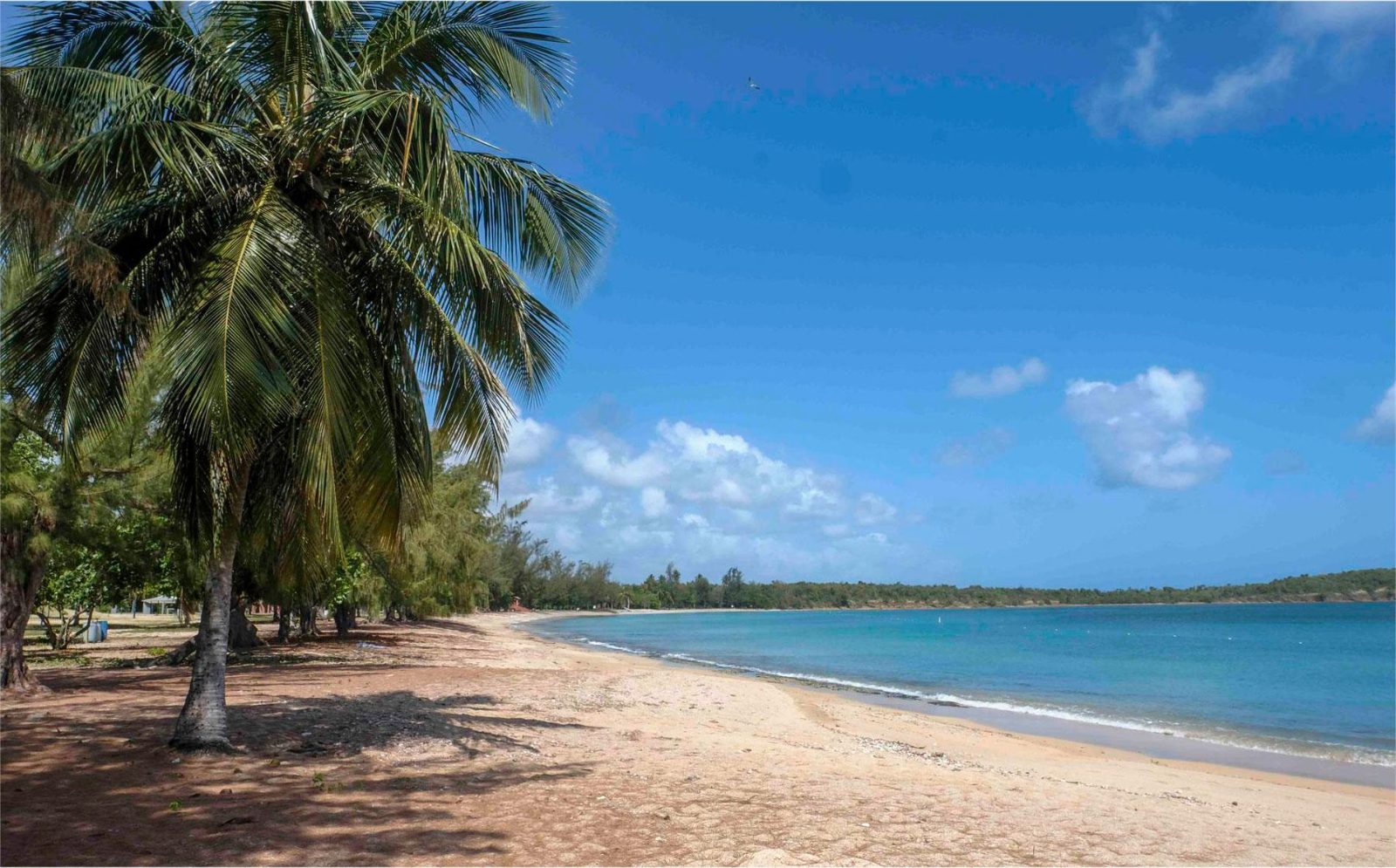
Seven Seas Beach
Located in Fajardo, this beach features a coral reef barrier located a short distance from the shore. The transition from sandy bottom to rocky outcrops provides habitat for various crustacean and fish species.
Focus on the rocky area to the far left side.
Steps Beach
Located in Rincón, this area is characterized by its dramatic limestone reef formations that extend into the ocean. The unique topography creates deep crevices and overhangs that harbor diverse marine organisms.
Snorkel only during calm summer months when waves are small.
Pre-Visit Checklist for the Best Places to Snorkel in Puerto Rico
Plan ahead to make the most of your snorkeling experience at Puerto Rico's coastal sites.
-
Pack reef-safe sunscreen — Chemical sunscreens damage coral reefs and are prohibited at many marine reserves.
-
Bring your own snorkel gear — Rentals may be limited at remote beaches, and a proper fit prevents water leakage.
-
Pack a waterproof bag — Keeps valuables dry while you're in the water.
-
Wear water shoes or reef sandals — Rocky entries and sea urchins are common at natural snorkeling spots.
-
Bring cash for parking fees — Not all beach parking accepts cards, especially at smaller access points.
-
Check weather and water conditions — Surf advisories and rain can reduce visibility and create unsafe currents.
Check availability
Frequently asked questions about best places to snorkel in puerto rico
Everything you need to know about best places to snorkel in puerto rico