

Quick answer
The best snorkeling in Culebra Puerto Rico happens at Tamarindo Beach between 07:00 and 11:00, when sea turtles are most active in the seagrass beds and morning waters remain calm. The site is free to access year-round with no entrance fee, but offers no facilities or services on-site. Arriving early maximizes your chances of spotting multiple green sea turtles foraging in water shallow enough to observe from the surface.
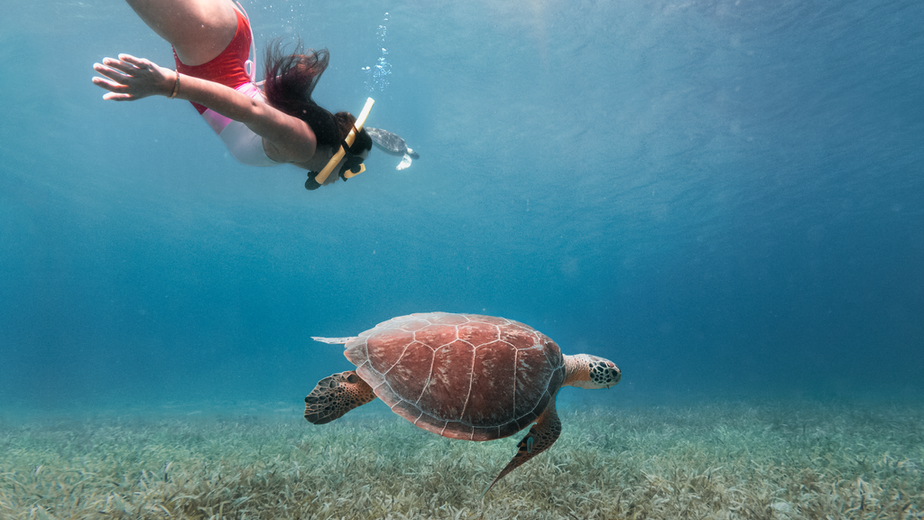
Tamarindo Beach sits on a shallow bay where seagrass meadows extend 50 to 100 meters offshore, creating one of the Caribbean's most accessible sea turtle feeding grounds. Green sea turtles arrive each morning to graze on the turtle grass, often coming within arm's reach of snorkelers drifting above. The best snorkeling in Culebra Puerto Rico concentrates in this narrow window because the animals follow predictable routines tied to light and tidal patterns. The site's appeal lies in its simplicity. No reef structures or deep channels separate you from the wildlife—just waist-to-chest-deep water over sandy bottom and grass beds. Visibility averages 15 to 25 feet depending on recent weather, sufficient to track turtles as they surface for air every few minutes. The lack of development means no restrooms, no shade structures, and no gear rentals, but it also means no crowds competing for the same sight lines. Morning conditions matter because afternoon wind chop degrades visibility and makes surface swimming more difficult. By midday, the turtles retreat to deeper water or rest motionless on the bottom, harder to spot and less active. The narrow beach access via Tamarindo Beach Road requires careful navigation—the final approach is unpaved and unsigned, and parking accommodates fewer than a dozen vehicles. Visitors who arrive after 11:00 often find the lot full and the water too stirred to see much below the surface. Culebra's snorkeling sites span from the protected waters of Flamenco Beach to the coral formations off Carlos Rosario, but Tamarindo's consistent turtle activity and shallow-water access make it the reliable choice for first-time snorkelers and families. The seagrass ecosystem supports a stable population because the bay's configuration limits boat traffic and the substrate regenerates quickly. Bring everything you need—water, snacks, sun protection, and your own mask and fins—because the nearest services sit three miles away in Dewey.
“Green sea turtles arrive each morning to graze on the turtle grass, often coming within arm's reach of snorkelers drifting above.”
The Best Time for Snorkeling in Culebra Puerto Rico
The best window for snorkeling in Culebra is 07:00–11:00. This period offers the calmest water conditions and higher activity of sea turtles in the seagrass beds.
Weekday mornings
Low crowd density—
Waters are at their calmest, providing better visibility for observing sea turtles.
Mid-April to May
Moderate crowdsWarm, 80-85°F
These transition months feature stable weather and clear water before the summer humidity increases.
September to October
Low crowdsWarm, 82-87°F
Occasional rain showers occur, but morning windows remain optimal for snorkeling with fewer visitors.
Verdict: The best snorkeling occurs on weekday mornings between 07:00 and 11:00 during the months of April or October.
Operating Hours for Best Snorkeling in Culebra Puerto Rico
Tamarindo Beach is accessible to visitors at all hours throughout the week. This location remains open daily to accommodate snorkeling activities.
| Monday | 00:00–23:59 | |
|---|---|---|
| Tuesday | 00:00–23:59 | |
| Wednesday | 00:00–23:59 | |
| Thursday | 00:00–23:59 | |
| Friday | 00:00–23:59 | |
| Saturday | 00:00–23:59 | |
| Sunday | 00:00–23:59 |
Getting to the Best Snorkeling in Culebra Puerto Rico
Tamarindo Beach is located on the western coast of Culebra. The most direct approach is by vehicle via Tamarindo Beach Road, Culebra, 00775, Puerto Rico.
PR-250 to Tamarindo Beach Road
Local shuttle from Dewey
From the nearest parking area to the shoreline
Pre-Visit Checklist for Best Snorkeling in Culebra Puerto Rico
Tamarindo Beach has no facilities, so bring everything you need for a comfortable snorkeling session.
-
Pack your own snorkeling gear — Rentals are not available on-site, and reef-safe equipment ensures better fit.
-
Bring reef-safe sunscreen — Chemical sunscreens damage the coral ecosystem and seagrass beds where turtles feed.
-
Carry plenty of drinking water — No vendors or fresh water sources exist at this remote beach location.
-
Wear water shoes or reef-safe footwear — Rocky entry points and sea urchins are common along the shoreline.
-
Arrive between 7:00 and 11:00 AM — Morning waters are calmer and sea turtle activity peaks in the seagrass beds.
-
Pack snacks and a small cooler — Plan for a few hours with no food services or nearby shops.
Check availability
Frequently Asked Questions About Snorkeling in Culebra
Everything you need to know about best snorkeling in culebra puerto rico